Whales are among the largest and most remarkable animals on Earth. These marine mammals live in oceans around the world, from warm tropical waters to the cold seas surrounding the poles.
Life Beneath the Surface
Although whales spend their lives in water, they breathe air through blowholes located on top of their heads. They must regularly return to the surface to breathe before diving again in search of food or traveling through the ocean.
Whales are warm-blooded, give birth to live young, and nurse their calves with milk. A thick layer of fat called blubber helps protect them from cold water and stores energy during long migrations.
Two Main Groups
Whales are generally divided into baleen whales and toothed whales. Baleen whales filter small animals from the water using flexible plates inside their mouths. This group includes blue whales, humpback whales, and gray whales.
Toothed whales use teeth to catch fish, squid, and other prey. Many of them also use echolocation, producing sounds and listening for returning echoes to understand their surroundings. Sperm whales, belugas, and orcas belong to this group.
The Blue Whale
The blue whale is the largest known animal to have ever lived. An adult can grow longer than a city bus and weigh well over one hundred tonnes. Despite its enormous size, it feeds mainly on tiny crustaceans called krill.
Communication and Migration
Whales communicate using clicks, whistles, pulses, and complex songs. Some sounds can travel across great distances underwater. Humpback whales are especially famous for their long, patterned songs.
Many species migrate thousands of kilometres each year. They often feed in cold, nutrient-rich waters before traveling to warmer regions where they mate and give birth.
Protecting Whales
Commercial hunting once caused severe declines in many whale populations. Today, whales also face threats from fishing gear, ship collisions, underwater noise, pollution, and changes to ocean ecosystems.
Conservation programs, safer fishing practices, protected habitats, and international cooperation can help whale populations recover. Protecting whales also supports healthier oceans because these animals play an important role in marine food webs and nutrient cycles.
Bí quyết sở hữu hàm răng sạch khỏe với thiết bị chăm sóc răng miệng hiện đại
Ngày nay, chăm sóc răng miệng không chỉ đơn giản là đánh răng mỗi ngày. Những mảng bám nhỏ, vụn thức ăn mắc lại ở kẽ răng hay khu vực sát nướu vẫn có thể gây ra cảm giác khó chịu nếu không được làm sạch đúng cách.
Máy tăm nước ra đời như một giải pháp hỗ trợ vệ sinh răng miệng tiện lợi hơn. Nhờ sử dụng tia nước áp lực cao, thiết bị này giúp làm sạch sâu các vị trí mà bàn chải thông thường khó tiếp cận, đồng thời hỗ trợ massage nướu và tạo cảm giác sạch thoáng sau khi sử dụng.
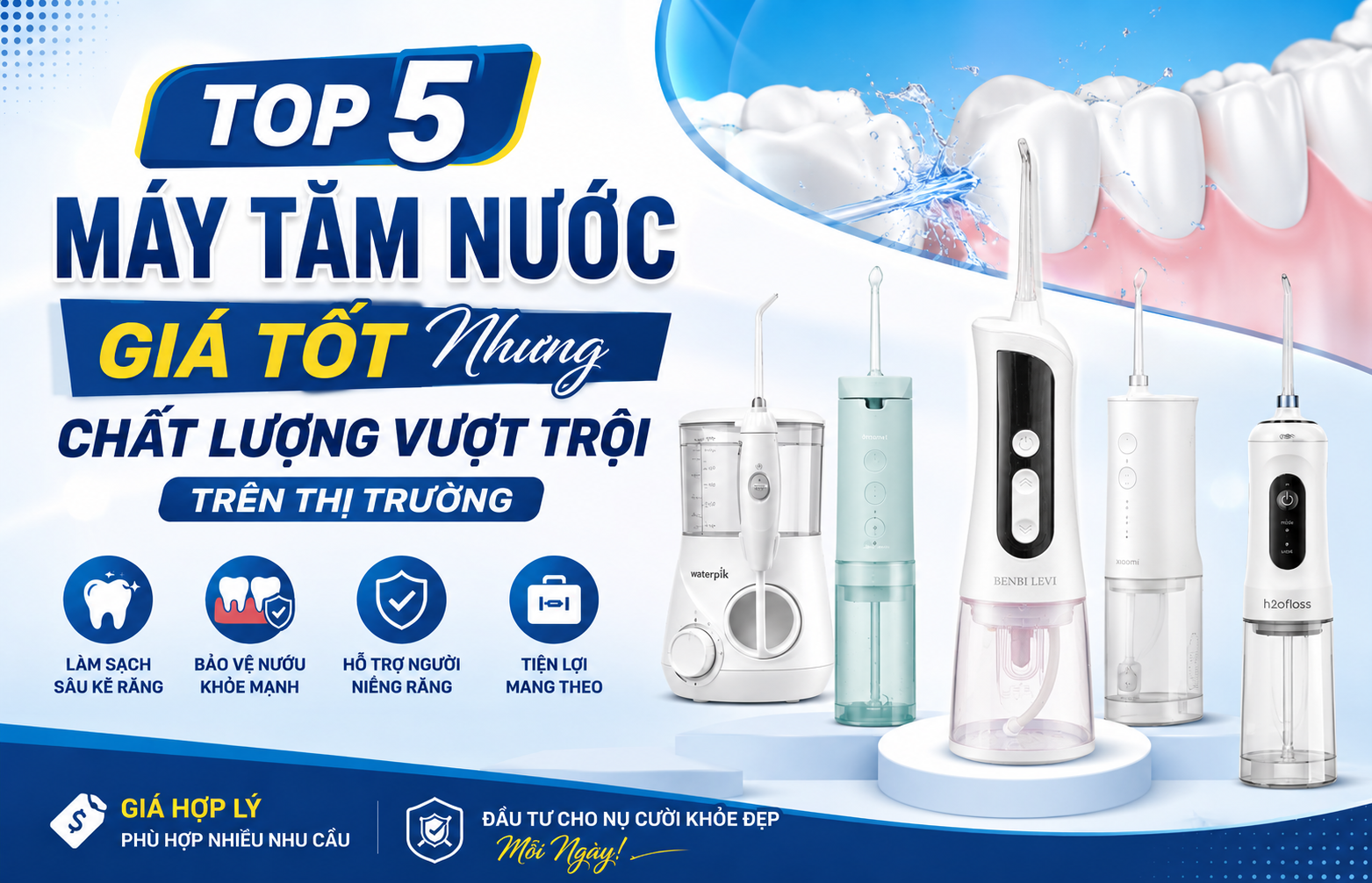
Nếu bạn đang phân vân lựa chọn một chiếc máy tăm nước hiệu quả, bền bỉ nhưng vẫn có mức giá hợp lý, hãy tham khảo ngay top 5 sản phẩm nổi bật dưới đây.
1. Máy tăm nước Benbi Levi 3 – Sự lựa chọn cân bằng giữa công Nghệ và giá thành
Mức giá tham khảo: 900.000 – 1.200.000 VNĐ (tùy chương trình ưu đãi)
Dẫn đầu danh sách là máy tăm nước Benbi Levi 3 – sản phẩm được đánh giá cao nhờ sự kết hợp giữa thiết kế hiện đại, khả năng làm sạch linh hoạt và trải nghiệm sử dụng tiện lợi.
Không chỉ hướng đến việc làm sạch kẽ răng, Benbi Levi 3 còn chú trọng sự thoải mái khi sử dụng với nhiều mức điều chỉnh áp lực, giúp người dùng dễ dàng lựa chọn chế độ phù hợp với nhu cầu cá nhân.
Sản phẩm sở hữu thiết kế nhỏ gọn, dễ cầm nắm, phù hợp sử dụng hằng ngày tại nhà hoặc mang theo khi đi du lịch.
Điểm nổi bật của Benbi Levi 3:
✔ 2 chế độ phun nước linh hoạt ✔ 100 cấp độ điều chỉnh áp lực nước ✔ Màn hình LED hiển thị dễ theo dõi ✔ Bình chứa 320ml tháo rời, thuận tiện vệ sinh ✔ Pin dung lượng tốt, sử dụng lâu dài ✔ Hỗ trợ làm sạch kẽ răng và chăm sóc nướu
Với sự cân bằng giữa hiệu năng – thiết kế – mức giá, Benbi Levi 3 là lựa chọn phù hợp cho người mới bắt đầu sử dụng máy tăm nước hoặc muốn nâng cấp thiết bị chăm sóc răng miệng.
Một chiếc máy có khả năng tùy chỉnh tia nước sẽ giúp bạn dễ dàng làm quen, đặc biệt với người mới sử dụng.
2. Ưu tiên dung tích bình chứa phù hợp
Bình chứa lớn giúp sử dụng thuận tiện hơn, hạn chế việc phải thêm nước nhiều lần.
3. Quan tâm đến thời lượng pin
Nếu thường xuyên đi công tác hoặc du lịch, hãy chọn máy có pin tốt để đảm bảo trải nghiệm liền mạch.
4. Kiểm tra đầu tăm đi kèm
Đầu tăm đa dạng giúp thiết bị linh hoạt hơn trong việc vệ sinh răng, nướu hoặc răng niềng.
Bảng so sánh nhanh top máy tăm nước
Sản phẩm
Khoảng giá
Điểm nổi bật
Benbi Levi 3
900.000 – 1.200.000 VNĐ
Nhiều tính năng, dễ sử dụng
Waterpik
1 – 3 triệu VNĐ
Làm sạch mạnh, cao cấp
Panasonic
900.000 – 2 triệu VNĐ
Bền bỉ, ổn định
Xiaomi
400.000 – 900.000 VNĐ
Hiện đại, giá tốt
H2ofloss
500.000 – 1,2 triệu VNĐ
Tiết kiệm, phù hợp gia đình
Top 5 máy tăm nước giá tốt
Kết Luận
Một chiếc máy tăm nước phù hợp sẽ giúp bạn nâng cấp thói quen chăm sóc răng miệng mỗi ngày. Trong phân khúc giá tốt hiện nay, Benbi Levi 3 nổi bật nhờ thiết kế tiện lợi, nhiều tính năng hỗ trợ và khả năng đáp ứng tốt nhu cầu sử dụng hằng ngày.
Bên cạnh đó, Waterpik, Panasonic, Xiaomi và H2ofloss cũng là những lựa chọn đáng tham khảo tùy theo ngân sách và nhu cầu cá nhân.
Hãy lựa chọn một thiết bị phù hợp ngay hôm nay để duy trì nụ cười sạch khỏe và tự tin hơn mỗi ngày.
Sửa máy tăm nước Đà Nẵng uy tín – Nhanh chóng, chính hãng tại Ebaby.vn
Máy tăm nước đang dần trở thành thiết bị chăm sóc răng miệng không thể thiếu trong nhiều gia đình. Tuy nhiên, sau một thời gian sử dụng, thiết bị này có thể gặp các lỗi như không lên nguồn, yếu áp lực hoặc rò rỉ nước.
Nhiều người khi gặp sự cố thường có xu hướng bỏ đi và mua mới. Nhưng thực tế, hơn 70% lỗi máy tăm nước có thể sửa được với chi phí thấp hơn rất nhiều so với mua mới.
Nếu bạn đang tìm một địa chỉ sửa máy tăm nước Đà Nẵng uy tín, thì Ebaby.vn là một lựa chọn đáng cân nhắc.
Các lỗi thường gặp ở máy tăm nước
Trong quá trình sử dụng, máy tăm nước có thể gặp nhiều vấn đề khác nhau. Dưới đây là những lỗi phổ biến nhất:
1. Máy không lên nguồn
Pin bị chai hoặc hỏng
Adapter sạc lỗi
Hỏng mạch điện bên trong
2. Áp lực nước yếu hoặc không ổn định
Motor bơm bị yếu
Đường ống bị tắc do cặn khoáng
Đầu phun bị nghẹt
3. Máy bị rò rỉ nước
Gioăng cao su bị lão hóa
Nứt thân máy
Lắp ráp không kín
4. Máy phát tiếng ồn lớn
Motor hoạt động kém
Linh kiện bên trong bị mài mòn
5. Sạc không vào điện
Cổng sạc bị hỏng
Pin bị chai
Adapter không tương thích
Những lỗi này nếu không xử lý sớm có thể khiến máy hỏng nặng hơn, thậm chí không thể sửa chữa.
Nguyên nhân khiến máy tăm nước nhanh hỏng
Hiểu được nguyên nhân sẽ giúp bạn sử dụng thiết bị bền hơn:
Không vệ sinh máy định kỳ
Sử dụng nước có nhiều cặn khoáng
Sạc pin sai cách (sạc qua đêm thường xuyên)
Làm rơi hoặc va đập mạnh
Để nước chảy ngược vào thân máy
Đặc biệt, motor và gioăng chống nước là hai bộ phận dễ hỏng nhất.
Sửa máy tăm nước Đà Nẵng
Vì sao nên chọn dịch vụ sửa máy tăm nước tại Ebaby.vn?
Khi cần sửa chữa, việc chọn đúng nơi uy tín là rất quan trọng. Ebaby.vn mang lại nhiều lợi ích nổi bật:
Quy trình minh bạch, nhanh chóng
Kiểm tra lỗi miễn phí
Báo giá trước khi sửa
Thời gian sửa nhanh (có thể trong ngày với lỗi nhẹ)
Đội ngũ kỹ thuật chuyên môn cao
Kỹ thuật viên được đào tạo bài bản, hiểu rõ cấu tạo của nhiều dòng máy:
Máy cầm tay
Máy để bàn
Máy dùng pin sạc
Linh kiện chính hãng
Sử dụng linh kiện tương thích chuẩn model, giúp máy hoạt động ổn định sau sửa.
Chính sách bảo hành rõ ràng
Bảo hành từ 1–6 tháng
Hỗ trợ kỹ thuật sau sửa
Hỗ trợ giao nhận tiện lợi
Nhận máy tại nhà
Ship trả máy sau sửa
Quy trình sửa máy tăm nước chuyên nghiệp
Dịch vụ tại Ebaby.vn được thực hiện theo quy trình rõ ràng:
Bước 1: Tiếp nhận thiết bị
Khách hàng mang máy trực tiếp hoặc gửi qua dịch vụ vận chuyển.
Bước 2: Kiểm tra & báo lỗi
Kỹ thuật viên kiểm tra:
Áp lực nước
Motor
Nguồn điện
Độ kín của máy
Sau đó thông báo chi phí cụ thể.
Bước 3: Tiến hành sửa chữa
Chỉ sửa khi khách hàng đồng ý.
Bước 4: Kiểm tra & bàn giao
Test kỹ trước khi giao
Dán tem bảo hành
Quy trình này giúp đảm bảo minh bạch và an tâm tuyệt đối cho khách hàng.
Khi nào nên sửa – Khi nào nên mua mới?
Đây là câu hỏi nhiều người quan tâm.
Nên sửa khi:
Máy dưới 3–4 năm tuổi
Lỗi nhẹ (pin, gioăng, đầu phun)
Chi phí sửa < 50% giá máy
Nên mua mới khi:
Máy quá cũ (trên 5 năm)
Motor hỏng nặng
Thân máy bị nứt vỡ
Kỹ thuật viên sẽ tư vấn trung thực để bạn chọn phương án tối ưu nhất.
Hướng dẫn tự kiểm tra máy tại nhà trước khi sửa
Trước khi mang đi sửa, bạn có thể kiểm tra nhanh:
Kiểm tra đầu phun có bị tắc
Đảm bảo bình chứa có nước
Kiểm tra dây sạc hoặc pin
Quan sát có rò nước không
Vệ sinh máy và đường ống
Nếu sau khi kiểm tra mà máy vẫn lỗi, khả năng cao là hỏng bên trong.
Cách vệ sinh máy tăm nước đúng cách
Vệ sinh định kỳ giúp kéo dài tuổi thọ máy đáng kể.
Làm sạch cặn khoáng:
Pha giấm trắng + nước (1:1)
Chạy máy 30 giây
Xả lại bằng nước sạch
Vệ sinh đầu phun:
Ngâm nước ấm
Thay mới mỗi 3–6 tháng
Lưu ý:
Không để nước tồn đọng
Lau khô sau khi sử dụng
Hướng dẫn sử dụng máy đúng cách
Để tránh hư hỏng, bạn nên:
Đổ nước ấm vào bình
Đặt đầu phun vào miệng trước khi bật
Giữ góc 90° với viền nướu
Di chuyển chậm theo kẽ răng
Sử dụng khoảng 2 phút mỗi lần
Mẹo cho người mới:
Bắt đầu với áp lực thấp
Cúi nhẹ người để tránh bắn nước
Không dùng dung dịch quá đặc
Những lưu ý an toàn quan trọng
Không tự tháo máy nếu không có chuyên môn
Ngưng sử dụng nếu có mùi khét
Không sạc ở môi trường ẩm
Tránh để trẻ nhỏ sử dụng một mình
Dịch vụ hỗ trợ nhiều thương hiệu phổ biến
Ebaby.vn nhận sửa nhiều dòng máy tăm nước như:
Oral-B
Panasonic
Philips
Xiaomi
Waterpik
Procare
Lock&Lock
Nhờ kinh nghiệm thực tế, kỹ thuật viên có thể xử lý nhanh các lỗi đặc trưng của từng hãng.
Thông tin liên hệ sửa máy tăm nước Đà Nẵng
Nếu máy của bạn đang gặp vấn đề, hãy liên hệ ngay:
Máy tăm nước là thiết bị hữu ích nhưng cũng cần được bảo dưỡng và sửa chữa đúng cách. Việc chọn một trung tâm uy tín sẽ giúp bạn tiết kiệm chi phí và kéo dài tuổi thọ thiết bị.
Ebaby.vn với quy trình chuyên nghiệp, linh kiện chính hãng và chính sách bảo hành rõ ràng là lựa chọn đáng tin cậy tại Đà Nẵng.
Đừng vội mua mới – hãy kiểm tra và sửa chữa trước để tiết kiệm chi phí!

 Gọi Mẹ Vân
 Chat Zalo
 Chat Facebook